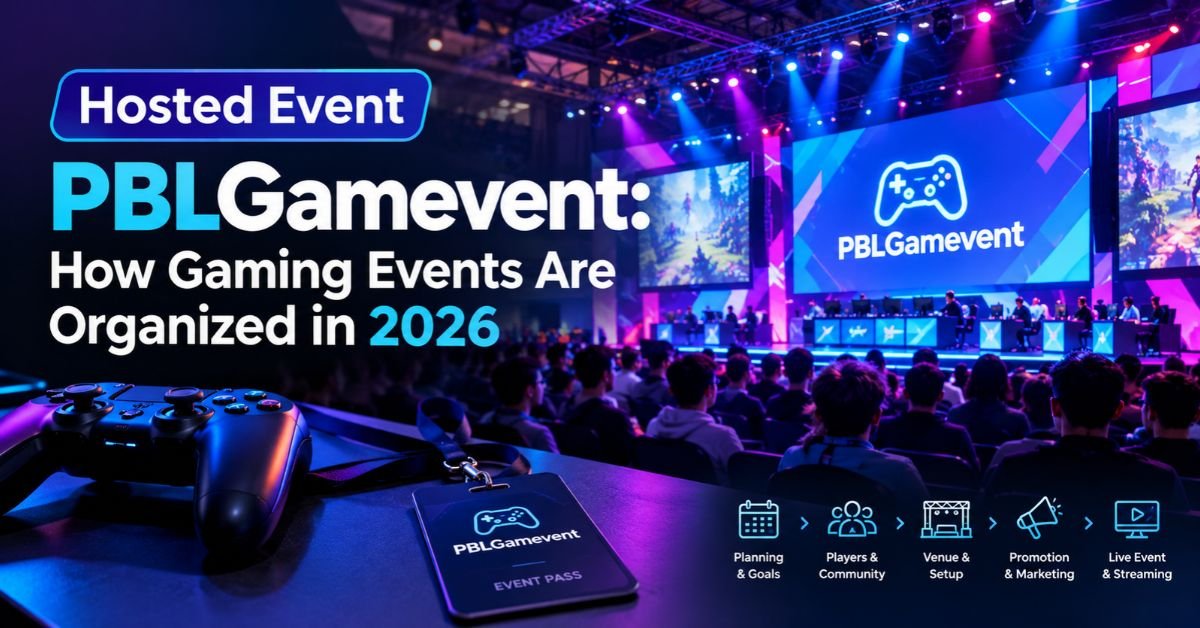
Hosted Event PBLGamevent: How Gaming Events Are Organized in 2026
Gaming nights used to mean a few friends, a few cables, and a shared screen. Today the scene looks very different. A hosted event PBLGamevent shows how far hosted gaming events have come. Players, fans, sponsors, and technology all work inside one clear structure. Good gaming event management turns that structure into a smooth, fair experience.
This guide explains how to organize a gaming event from the first idea to the final survey. You will learn about planning, rules, tools, security, money, and growth. The language stays simple and the steps stay practical. Whether you run a small club night or a large online cup, you can use these ideas right away.
What Is Hosted Event PBLGamevent?
A hosted event PBLGamevent is a gaming event run by an organizer or a team. The host sets the games, rules, schedule, and tools. Players know where to go and what to do. Fans know when to watch. That clear setup is what makes how hosted gaming events work easy to understand.
One note matters here. PBLGamevent is not a confirmed, standardized platform or an official industry format. Most web pages that use the term describe a general style of event. So you should define your own scope before launch. Write down your games, dates, rules, and goals in plain words.
Definition and Purpose of Hosted Event PBLGamevent
A hosted event PBLGamevent is a structured gaming event with a clear owner. The owner plans the contest and guides everyone through it. The purpose can vary. Some hosts want competitive gaming at a high level. Others want a friendly gaming community event with prizes and fun. Some want brand buzz or charity funds. Many events mix all four goals. Clear purpose shapes every later choice, from the game list to the budget. If you can’t state your purpose in one sentence, the plan isn’t ready yet.
Key Components of a Hosted Gaming Event
Every strong event rests on a handful of building blocks. You need gaming event registration, a tournament rulebook, and match scheduling. You also need scorekeeping, technical support, and moderation. Add broadcast production if you plan to stream. Finish with a review after the final match. These parts form the backbone of gaming tournament organization. Give each part one named owner. When everyone owns “everything,” nobody owns anything. A simple owner list prevents confusion on busy event days.
How Hosted Event PBLGamevent Works
Think of the event as a pipeline with five stages. First, you plan goals and budgets. Next, you open player registration and publish rules. Then you run matches with live updates and real-time score tracking. After that, you announce results and reward winners. Finally, you collect feedback and study the data. This flow is the core of gaming competition hosting. Each stage feeds the next one. A weak plan hurts registration. Weak registration hurts match day. Match day sets the tone for the next event.
Why Gaming Events Are Growing in Popularity in 2026
Gaming has moved from the bedroom to the main stage. Esports tournaments 2026 draw players, fans, and brands from every region. A match can start in one country and gain viewers in fifty others. That global reach pushes more groups to try online gaming events.
Cost is another driver. Online play removes venue fees and travel bills. A small team can now run online esports competitions with free or low-cost tools. At the same time, bigger shows keep raising the bar. Fans now expect clean video, quick results, and friendly hosts.
The Rise of Competitive Gaming and Esports
Esports has grown into a real entertainment category. Publishers run official leagues. Schools launch campus teams. Local shops host weekly ladders. This growth gives competitive gaming events a steady supply of skilled players and loyal fans. Prize pools, sponsor deals, and creator careers have followed. For organizers, the lesson is simple. People want structured contests with fair rules. They also want a path from casual play to serious play. A well-run event can offer both.
How Live Streaming Expands Audience Reach
Live streaming lets fans watch from anywhere. Platforms such as Twitch and YouTube host millions of viewers each day. Your event no longer needs a big room to feel big. A strong stream adds concurrent viewers while a match runs. It also leaves highlights that bring in more people later. This is why gaming event broadcasting now sits near the center of planning. Even a small stream can bring friends, family, and new fans into the action.
The Role of Gaming Communities and Audience Engagement
Communities keep events alive between matches. Servers on Discord let players chat, find teammates, and ask questions. Creators share clips and tips. Fans debate picks and predict winners. This kind of gaming audience engagement builds trust and habit. People return when they feel they belong. So treat your community like a guest list, not a crowd. Answer questions fast and thank helpers by name. Over time, gaming community building becomes your best marketing tool.
How to Plan a Successful Hosted Event PBLGamevent
Good events start on paper. Esports event planning works best when you set goals first and pick tools second. Many new hosts do the opposite. They choose a game and a platform and then wonder why the event feels messy.
This section shows how to plan an esports tournament in four steps. You will set goals, pick an audience, build a budget, and draw a timeline. Together these steps form a simple gaming event planning checklist. It’s also a solid start for gaming event planning for beginners.
Setting Clear Event Goals and Success Metrics
Goals turn a vague wish into a target. Pick two or three that you can measure. Examples include 200 registered players, 500 concurrent viewers, or five paying sponsors. Then link each goal to a number you can track. These numbers become your gaming event performance metrics. Write them down before you announce anything. When the event ends, you will know exactly what worked. Without goals, every result feels like a win or a loss depending on your mood.
Defining the Target Audience
Know who you serve before you plan a single match. Are you hosting teens, college clubs, pro teams, or mixed groups? Each group wants different things. Teens may want fun brackets and fast games. Pros want strict rules and low network latency. Your audience also shapes the schedule, the prize list, and the tone of your posts. A short survey in your Discord server can reveal a lot. Ask about favorite games, free time, and past event pain points.
Creating a Realistic Gaming Event Budget
Esports event budget planning keeps the dream grounded. List every cost you can think of. Include platforms, prizes, staff, internet, streaming software, marketing, insurance, and a spare fund. Then add 10 to 15 percent for surprises. Never count on sponsor money until a contract is signed. The table below shows a sample split for a mid-size online event.
| Budget item | Share of total | Why it matters |
| Prizes and rewards | 25% | Drives sign-ups |
| Staff and admins | 20% | Keeps matches fair |
| Technology and servers | 20% | Protects server stability |
| Broadcast and content | 15% | Grows the audience |
| Marketing | 10% | Fills the brackets |
| Contingency fund | 10% | Covers surprises |
Building an Event Timeline and Planning Checklist
Work backward from event day. Set a date for game choice, rules, registration, testing, and staff training. Then add dates for tournament brackets, sponsor deliverables, and final notices. A shared sheet works well for this. The table below shows a simple eight-week plan.
| Weeks before event | Key task |
| 8 | Set goals, budget, and game list |
| 6 | Publish rules and open registration |
| 4 | Lock sponsors and test tools |
| 2 | Train staff and close sign-ups |
| 1 | Publish brackets and run full tech check |
| Event day | Run matches and log issues |
| 1 week after | Send surveys and share results |
Understanding Gaming Event Audiences
Not every player wants the same thing. Some join for fun. Others join to prove skill. Many simply watch. A smart host plans for all three groups at once.
This matters for multiplayer gaming competitions because mixed crowds are common. If the rules feel too hard, casual players leave. If the event feels too loose, serious players leave. Balance is the goal. Clear communication helps both sides feel welcome.
Casual Players and Gaming Enthusiasts
Casual players want an easy start. Keep sign-up short and instructions clear. Offer beginner brackets, friendly moderators, and small prizes. Side events such as trivia, mini-games, or fun relay rounds help too. These add warmth and lower stress. Casual fans often become loyal fans if the first visit feels kind. They also spread the word faster than any ad. A welcome message in your chat channel can make a big difference on day one.
Competitive Players and Esports Teams
Serious players care about details. They want a clear tournament rulebook, steady game servers, and honest referees. They also want on-time matches and a fair way to appeal calls. Small errors annoy them fast. A late start or a vague rule can ruin trust. Give teams a direct contact for technical support. Share the bracket early. Publish match formats before sign-ups close. When serious players trust you, they bring teammates and rivals next time.
Online Participants and Global Audiences
Online crowds span many time zones. A match at 8 p.m. in New York is 5 a.m. in Karachi. So publish every schedule with a time zone and a converter link. Think about network latency too. Players far from the host server may suffer lag. Regional servers or regional brackets can fix this. Offer captions or simple chat translation for broadcasts when you can. A global audience is a big opportunity. It only works when you plan for distance on purpose.
How to Choose the Right Games for Hosted Event PBLGamevent
Your game choice shapes everything else. It decides your staffing, your tools, and your crowd. A popular game can draw big numbers. It can also bring heavy rules and strict publisher terms.
So treat game selection as a team decision. Look at fun, fairness, and workload together. The best pick is rarely the loudest trend. It’s the title that fits your people, your tech, and your goals.
Essential Game Selection Criteria
Start with player interest. Then check platform support, server stability, and age ratings. Look at the publisher’s rules for tournaments and streaming. Some games require a license or written approval. Also ask whether spectators can follow the action easily. A game with clear visuals makes better viewing. Finally, think about your own team. Do your admins know the game well? Staff who understand the rules can solve disputes in seconds. Staff who don’t will slow everything down.
Popular Gaming Event Categories in 2026
Most events pick from a handful of categories. Each has its own demands.
| Category | Strength | Main challenge |
| First-person shooters | High energy, big audience | Strict anti-cheat systems needed |
| Fighting games | Short matches, easy brackets | Needs low network latency |
| Sports and racing | Familiar to casual fans | Licensing and setup rules |
| Strategy games | Deep skill, great analysis | Long matches |
| MOBA | Strong team play | Complex observers and staff |
| Battle royale | Large lobbies | Hard scoring and scheduling |
Balancing Player Interest, Accessibility, and Competition
A hot title is not always a good tournament title. Check match length, spectator value, and equipment needs. A three-hour game may break your schedule. A game that needs pricey hardware may shut out newer players. Look for a middle path. Pick something fun to watch and easy to join. Offer a second, lighter game for casual guests. This mix keeps the field open while still giving competitive gaming fans a real test.
Gaming Tournament Formats and Competition Structure
The format decides how players advance. It also sets how many matches you must run. Choosing the right one is a core part of choosing the right gaming tournament format.
Think about time first. Then think about fairness and fun. Publish the format before player registration opens. Changing structure at the last minute shakes trust fast.
Single-Elimination Tournament Format
A single-elimination tournament is the fastest option. Lose once and you’re out. The bracket halves every round. This format suits events with tight time or big fields. It is also easy for fans to follow. The downside is risk. A strong player can fall to one bad match. Seeding helps by keeping top players apart until later rounds. Use this style for quick weekend cups or live gaming tournaments with limited stream hours.
Double-Elimination Tournament Format
A double-elimination tournament gives each player a second chance. Players drop to a losers bracket after one defeat. A second loss ends the run. This design rewards steady skill over luck. It also creates comeback stories that fans love. The cost is time. You need many more matches than single elimination. Plan extra hours and extra staff. Strong tournament bracket management tools make this much easier by tracking both brackets at once.
Round-Robin Tournament Format
In a round-robin tournament, every player or team faces every other one. Points decide the winner. This format is the fairest test of skill. It also produces lots of match statistics for analysis. The catch is scale. Ten teams need 45 matches. Twenty teams need 190. Use round robin for small leagues or for group stages before a knockout round. It works well when you want every guest to play many games.
Swiss-System Tournament Format
A Swiss-system tournament pairs players with similar records each round. No one gets knocked out early. After a set number of rounds, the best records win. This keeps the field large and the matches close. It scales well to big crowds. Many card games and chess events use it. Online hosts like it because players stay active longer. The pairing rules look tricky at first. Good tournament management software handles them for you.
How to Choose the Best Tournament Format
Match the format to your time, your field size, and your goals. The table below gives a quick view.
| Format | Speed | Fairness | Best for |
| Single elimination | Very fast | Low | Big fields, short events |
| Double elimination | Medium | High | Serious cups |
| Round robin | Slow | Very high | Small leagues |
| Swiss system | Medium | High | Large open events |
Many hosts mix two formats. A Swiss or round-robin group stage can feed a final knockout bracket. This blend gives fans drama and gives players enough matches.
Creating Fair Gaming Event Rules and Competitive Standards
Fair rules protect everyone. They tell players what to expect and what happens when things go wrong. Clear rules also protect you as the host. When a fight starts, you can point to the page.
Strong gaming competition rules are short, specific, and public. Publish them early. Apply them the same way for every team. That steady habit is the base of how to ensure fair competition in esports.
Essential Sections of a Gaming Tournament Rulebook
A good tournament rulebook covers eligibility, game settings, match flow, conduct, penalties, and appeals. Add a short glossary for new players. Avoid vague words like “reasonable” without examples. Number each rule so staff can cite it fast. Add the date of the last update at the top. If you change a rule, announce it in every channel. A rulebook that lives only in one buried post will cause trouble sooner or later.
Match Rules, Eligibility, and Player Requirements
State player eligibility in plain words. Cover age limits, region limits, account rules, and team size. Then list match basics. These include check-in time, map picks, pause rules, allowed devices, and score reporting. Explain what happens after a disconnect. Explain what happens if a player is late. Players accept strict rules when the rules are clear and equal. They resent surprise rules that appear mid-match.
Anti-Cheat Policies and Competitive Integrity
Competitive integrity is the heart of any contest. Use the anti-cheat systems that the game publisher supports. Ban unauthorized software, account sharing, exploits, and match fixing. Ask players to record or stream key matches in high-stakes rounds. Spot checks and random reviews also help. This is how to prevent cheating in gaming tournaments without turning the event into a police state. Say the rules out loud at the opening briefing. Honest players feel safer when cheaters know the line.
Handling Disputes, Penalties, and Rule Violations
Disputes will happen. A clear path keeps them calm. Start with a quick chat between the admin and the players. If that fails, escalate to a head judge. Keep notes on every decision. Use a ladder of penalties, from warnings to forfeits to removal. This dispute resolution process should be posted before day one. After a ruling, explain it in neutral language. People accept hard calls when they understand the reason.
Registration and Participant Management
Registration is your first handshake. A smooth sign-up tells players that the event is well run. A clumsy one tells them to stay home. Good gaming event registration is also your best source of clean data.
After sign-up comes participant management. You must track teams, answer questions, and send reminders. Strong player management systems save hours here and prevent costly slips.
Setting Up an Effective Event Registration System
Keep the form short. Ask for name, contact, game ID, team name, and region. Show the deadline and any registration fees in bold. Offer clear payment options and send an instant confirmation. This is how to register players for gaming events with fewer drop-offs. Test the form on a phone because many players sign up there. Also close registration on time. Late entries disturb brackets and annoy people who followed the rules.
Collecting Player Information and Managing Teams
Collect only what you need. Extra data adds risk and slows sign-ups. Store it in a secure database with limited access. Respect data privacy laws that apply to your players. For team events, name one captain per squad. The captain confirms the roster and handles contact. Keep a clear record of substitutes. Rosters often change right before play, so set a lock time. After the lock, only the head admin can approve changes.
Communicating Schedules, Rules, and Event Updates
Send a confirmation email right after sign-up. Follow with rule updates, check-in steps, and bracket links. Pin the official schedule in your Discord server. Repeat key times with time zones. Use one main channel for news and one for questions. This keeps updates easy to find. Good gaming event communication strategies start here. A calm, steady stream of notes builds trust long before the first match begins.
Technology Required to Run Hosted Event PBLGamevent
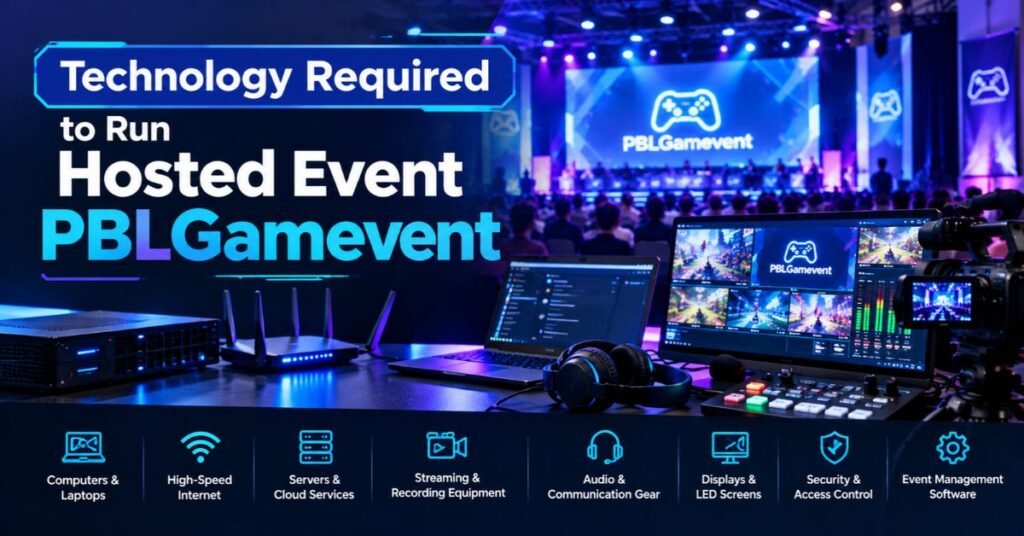
Technology is the engine of any online contest. Players cannot compete if they cannot connect. Fans cannot watch if the stream stalls. So reliability beats flash every time.
This section covers online gaming tournament requirements from the tools side. Choose simple, proven systems. Test them early. Keep a backup for anything critical. Strong gaming event technology is quiet. Nobody notices it when it works.
Tournament Management Platforms and Software
Tournament management software builds brackets, tracks results, and sends match alerts. Popular options include Challonge, start.gg, and Toornament. This is the answer to best software for gaming event management questions. Pick one that supports your format and your player count. Check export tools, API access, and mobile views. Learn how to create tournament brackets in a test run first. Good gaming tournament software removes most manual errors and frees staff for real support work.
See Also: The Flying Elephant: Memoirs of an Olympic Champion Book Review & Guide (2026)
Cloud Infrastructure and Online Gaming Services
Cloud infrastructure hosts your site, forms, databases, and some game servers. Providers such as Amazon Web Services and Google Cloud offer flexible plans. You pay for what you use. Choose server regions near your players to cut network latency. Learn each service’s limits before launch. Plan what happens if a service fails. Strong gaming event infrastructure is not about size. It is about knowing your weak spots and covering them.
Real-Time Match Results, Score Tracking, and Leaderboards
Real-time score tracking keeps everyone on the same page. Admins see progress at a glance. Players check their next match. Fans follow the race. Public tournament leaderboards add excitement and cut repeat questions. This is how to track tournament scores with fewer mistakes. Pick a system where only trusted users can enter results. Add an edit log for every change. Real-time match tracking works best when humans can still review and fix odd entries.
Streaming Software and Broadcast Equipment
A basic stream needs a capable PC, a clean capture feed, a microphone, and streaming software such as OBS Studio. Add overlays, scoreboards, and a simple intro scene. Test audio levels twice. Bad sound loses viewers faster than bad video. Learn how to stream a gaming tournament in small steps. Start with one camera or one game feed. Add extras as your crew grows. Strong broadcast production starts with stable internet and a tested backup plan.
Analytics Tools for Gaming Event Management
Event analytics tools turn raw numbers into clear lessons. Use platform dashboards from Twitch and YouTube for viewers and watch time. Use your registration system for sign-up trends. Use survey tools for feedback. Combine them in one sheet. This is core gaming event analytics. Over time, you will see patterns. Maybe weekend matches draw more fans. Maybe long gaps lose viewers. Data helps you fix those things instead of guessing.
How to Prepare for Gaming Event Day
Event day rewards the hosts who prepared early. Panic is rarely about the event itself. It is about missing checks and unclear roles.
This is the stage where gaming event logistics and gaming event coordination matter most. A written run-of-show gives your team a single source of truth. It lists times, tasks, owners, and backup steps. Print a copy for staff who prefer paper.
Technical Testing and System Checks
Test everything at least two days before play. Check game installs, accounts, controllers, networks, servers, capture cards, microphones, and power. Run a mock match with real staff. Time how long each step takes. This is the best way to handle how to manage gaming event technical issues before they appear live. Record the results in a shared log. Fix every small flaw. Small flaws grow fast under pressure.
Staff Responsibilities and Team Training
Assign clear roles. You need tournament admins, technical support, moderators, a broadcast lead, a participant helper, and a security contact. These are the gaming event staff responsibilities that keep things moving. Give each role a backup person. Train everyone with a short briefing and a one-page cheat sheet. Practice two or three tricky cases, such as a disconnect or a score dispute. Calm staff create calm players.
Match Scheduling and Tournament Coordination
Publish schedules early and keep them simple. This is how to schedule gaming matches without chaos. Leave buffer time between rounds. A 20-minute buffer can save a whole evening. Appoint a coordinator who watches the clock and pings late teams. Strong gaming event scheduling also includes a plan for no-shows. Set a grace period, then apply the forfeit rule. Consistency keeps the bracket moving and the crowd happy.
Emergency Plans, Backup Systems, and Troubleshooting
Contingency planning is your safety net. Prepare backup internet, spare controllers, extra laptops, and offline copies of key files. Write down what to do if a server fails or the power drops. Decide who calls which shots. This is practical gaming event contingency planning. Keep a short troubleshooting guide at each station. Most issues repeat, so quick answers save minutes. Nobody enjoys a plan they never use, but everybody loves having one on a bad night.
How to Manage Hosted Event PBLGamevent Live
Live play is where all your planning meets reality. Gaming event operations now run in real time. You juggle players, viewers, sponsors, and tech. Stay calm and keep messages short.
Set up a private staff channel for fast updates. Use a second channel for public notes. This split lets your team work without distracting guests. It also helps you master how to manage live gaming competitions under pressure.
Opening Activities and Participant Check-In
Start with a short welcome. Cover the schedule, the main rules, and the contact points. Run a quick check-in so you know who’s present. Confirm names, rosters, and game IDs. Remind players about competitive integrity and respectful chat. Keep the opening under ten minutes. A friendly host sets the mood for the whole day. Players notice tone right away and mirror it.
Coordinating Matches and Event Operations in Real Time
Track active matches and upcoming rounds at the same time. Use alerts to call teams to the lobby. Check that each match starts and ends as planned. Staff should watch the tools for errors, even when automation runs the show. Keep one person on the bracket and another on the broadcast. Hand-offs between shifts need a short note. This steady rhythm is the daily work of strong gaming event organizers.
See Also: Playing Games Blog PlayBattleSquare: Complete Gaming Guide (2026)
Managing Delays and Unexpected Technical Issues
Delays happen even to expert hosts. The key is quick, honest news. Say what went wrong. Say what you’re doing. Give a time for the next update. Never promise a fix you can’t confirm. Use emergency communication templates written ahead of time. While you fix the issue, keep fans busy with replays, polls, or interviews. A well-handled delay can build more trust than a perfect run.
Keeping Players and Spectators Engaged
Waiting kills energy, so fill the gaps. Gaming commentators can recap key plays. Hosts can run quick polls. Players can share short interviews. Offer small giveaways where laws allow. This is how to improve gaming audience engagement in real time. Show match statistics on screen so newer viewers can follow. Post highlights during breaks. Keep chat friendly with active moderators. An engaged crowd stays longer and returns sooner.
Match Management and Real-Time Score Tracking
Accurate results are the backbone of fair play. One wrong score can break a bracket and anger a team. So every host needs a simple and strict process for results.
Decide who confirms scores and what proof counts. Screenshots, replays, and admin notes are common choices. Publish this process before the first match. It saves arguments later.
Updating Match Results and Tournament Leaderboards
After each match, one admin confirms the result and updates the system. Players then check the bracket and flag errors fast. Set a short window for challenges, such as five minutes. Update tournament leaderboards right away so fans see the change. Keep an edit log with time stamps. This record protects you in any dispute. Clean updates also speed up tournament bracket management across the whole event.
Automating Match Notifications and Score Updates
Automation saves time. Bots can post round starts, match calls, and final scores to Discord. Email or app alerts can ping teams. This is a smart use of AI-powered event management and basic scripts. Still, humans must watch the flow. A bot cannot tell if a typed score is wrong. Set rules for manual review. Combine speed with oversight, and your online tournament management will feel smooth and safe.
Benefits of Accurate Match Tracking
Reliable tracking builds fairness, trust, and better shows. Players see that results are honest. Fans enjoy stats and graphics that match reality. Sponsors get proof of exposure. Staff gain a clean record for future planning. Accurate data also feeds gaming event performance metrics and later reviews. In short, good tracking pays back many times. It turns a one-time contest into a source of lasting insight.
Communication Strategies for Successful Gaming Events
Bad communication turns small issues into big ones. Good communication does the opposite. Players want to know where news lives and who to ask.
Plan your gaming tournament communication strategies before launch. Pick channels, set tone rules, and name speakers. Keep messages short and kind. A calm voice is a powerful tool during stress.
Essential Communication Channels for Players and Staff
Use a mix of tools. Email handles formal notices. Discord supports fast chat and role-based channels. Your event site stores rules and brackets. Social posts reach fans. In-game chat supports match talk. Keep each channel’s purpose clear. Pin key posts and avoid duplicates. Strong gaming event communication strategies reduce repeat questions and keep staff focused on real problems instead of copy-paste answers.
Coordinating Organizers, Teams, and Tournament Officials
Everyone should know who makes the final call. Name a head admin and a backup. Share a simple escalation path from helper to admin to judge. Hold a short pre-event call with team captains. Answer questions and confirm contact points. During play, keep staff chat clean and brief. Conflicting instructions confuse players quickly. Clear lines of authority protect your event from messy, public arguments.
Crisis Communication During Gaming Events
In a crisis, speed and clarity matter most. Post a short note that states the issue, the action, and the next update time. Avoid blame and guesswork. Prepare templates for outages, delays, safety concerns, and rule changes. Test them with staff. Good emergency communication keeps panic low and trust high. Afterward, share a short recap. Honest follow-up shows respect and turns a rough moment into a lesson.
Live Streaming, Content Creation, and Audience Experience
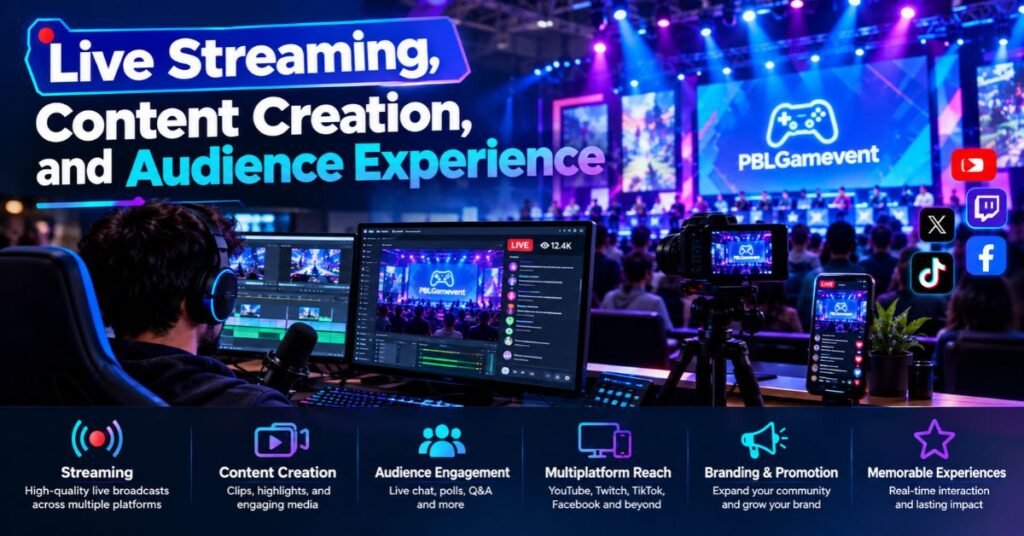
A stream turns a contest into a show. Fans want story, skill, and personality. A plain feed of raw gameplay rarely holds attention for long.
Strong gaming event production blends clean visuals, smart voices, and steady pacing. You do not need a huge crew. You need a clear plan and a few reliable tools.
Essential Features of a Modern Gaming Broadcast
A modern show includes live brackets, player cards, replays, and on-screen match statistics. Add a simple overlay with team names and scores. Include sponsor logos in neat spots. Keep audio clear and balanced. Provide a schedule graphic so late viewers can plan. Test your scenes before going live. These basics form solid gaming event broadcasting. Fancy graphics matter far less than stable video and clear sound.
Live Commentary, Match Analysis, and Spectator Interaction
Gaming commentators explain the action and add emotion. Great ones tell stories about players and rivalries. Analysts break down strategy for new fans. Mix play-by-play with short stats and replays. Invite viewers to join through polls, chat questions, and prediction games where laws allow. Moderators should keep chat respectful. Strong commentary boosts audience engagement and gives your event a voice people remember.
Creating Gaming Content Before and After Event Day
Content does not stop when matches end. Before the event, share player profiles, bracket previews, and countdown posts. After the event, publish highlights, short clips, photo sets, and recap articles. Thank sponsors with tagged posts. This steady flow raises audience retention and extends your reach long after the final match. It also gives sponsors more value. One event can feed weeks of gaming community events content if you plan for it.
Gaming Event Sponsorship and Revenue Opportunities
Money keeps events alive. Smart hosts use several income streams rather than one. That way, a single missed deal won’t sink the budget.
Plan gaming event revenue models early. Set honest targets based on real numbers, not hopeful guesses. Public estimates vary widely by event size and region. So build conservative forecasts first.
Common Revenue Sources for Gaming Events
Typical sources include registration fees, ticket sales, merchandise revenue, ads, premium viewer perks, and partner deals. Some events add paid workshops or coaching sessions. Others sell digital items such as badges or wallpapers. Mix sources that suit your audience. A small community cup may rely on entry fees and one local sponsor. A larger show can add tickets and media rights. These choices define how to generate revenue from gaming tournaments at any scale.
See Also: Geometry Learn V3: Features, Uses, Safety, and Best Alternatives (2026 Guide)
Attracting Sponsors and Building Brand Partnerships
Sponsors want proof of reach and fit. Build a short media kit with your audience size, demographics, past results, and clear package options. Pitch brands that match your players, such as hardware makers, energy brands, or local stores. This is how to attract sponsors for gaming events in a practical way. Follow up politely and offer small trial deals first. Strong brand partnerships grow from trust, not from one-time cash.
Delivering Value to Gaming Event Sponsors
Promises must become results. Deliver logo placement, shout-outs, branded segments, and social posts as agreed. This is smart sponsor activation. Track each deliverable and collect screenshots and view counts. Send a short report within a week of the event. Include numbers on concurrent viewers, clicks, and chat mentions. Sponsors renew when they see proof. Good gaming event sponsorship looks like a long relationship, not a single transaction.
Example Gaming Event Budget and Revenue Breakdown
Here is an illustrative example for a mid-size online event. The numbers are samples only.
| Line | Amount (USD) |
| Registration fees (200 players × $10) | 2,000 |
| Local sponsor packages (3 × $500) | 1,500 |
| Merchandise sales | 600 |
| Total income | 4,100 |
| Prizes | 1,200 |
| Staff stipends | 900 |
| Tools and servers | 700 |
| Marketing and content | 500 |
| Contingency | 400 |
| Total costs | 3,700 |
| Estimated surplus | 400 |
Even a small surplus matters. It funds the next event and shows sponsors that you manage money well.
Security and Risk Management for Gaming Events
Gaming events handle accounts, personal details, and sometimes payments. That makes them targets. A leak or a hack can destroy trust in a day.
Treat gaming event security as part of planning, not an add-on. Strong gaming event risk management begins with a simple map of what could go wrong. Then you assign an owner and a fix to each risk.
Common Security Threats in Online Gaming Events
Watch for phishing links, account takeovers, fake admins, DDoS attacks, and harassment in chat. Bad actors also try to leak private match details or sell fake slots. Basic cybersecurity habits stop most of these. Warn players never to share passwords. Verify staff accounts. Use official links only. This is how to secure online gaming events at a practical level. Awareness is often your cheapest and strongest shield.
Protecting Player Accounts and Personal Data
Strong account security starts with two-factor login for staff and admins. Limit who can see player lists. Store data in trusted systems. Delete old data on a clear schedule. Follow data privacy rules that apply in each player’s region. Tell players how you use their details. Keep the message short and honest. Players share more when they trust you. They also forgive minor mistakes faster when you handled their data with care.
Preventing Cheating, Hacking, and Unauthorized Access
Combine tools and habits. Use publisher-approved anti-cheat systems, private lobbies, and unique match codes. Limit admin rights to those who need them. Review access lists before each event. Ask players to report suspicious behavior through a simple form. A mix of tech and watchfulness works best. This is a core part of how to prevent cheating in gaming tournaments while keeping events welcoming to honest players.
Backup, Recovery, and Incident Response Plans
Back up registration lists, brackets, rules, and settings before the event. Store copies in two places. Write a short incident plan. Name who restores systems and who talks to players. Practice once. If something breaks, follow the plan and log each step. Afterward, hold a quick review. Smart contingency planning turns a possible disaster into a short pause and a good story.
See Also: Milohacherry Coin (MLC) Explained: Features, Rewards, Risks, and Legitimacy
How to Measure Hosted Event PBLGamevent Performance
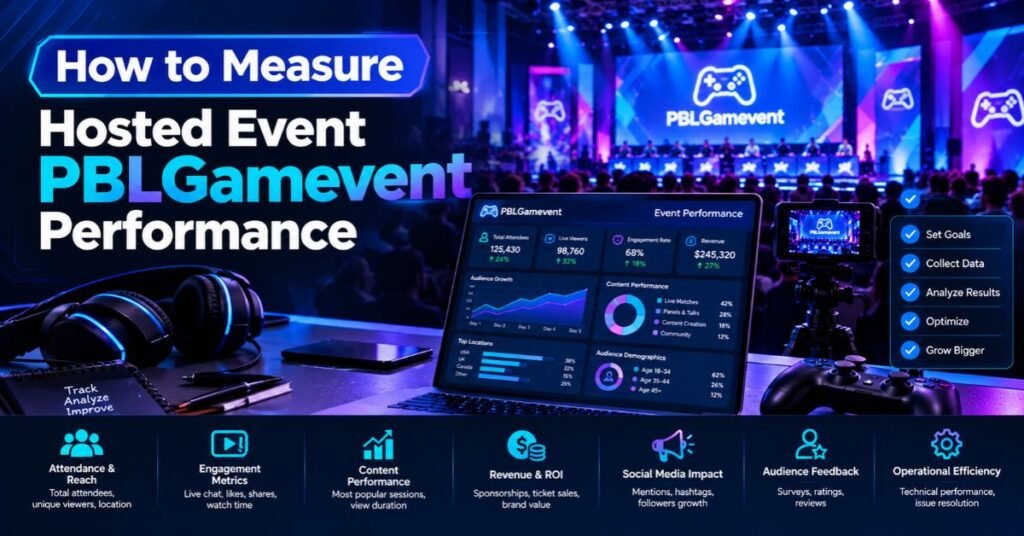
You cannot improve what you do not measure. Good data replaces guesswork with facts. It also helps you win sponsors and plan smarter next time.
Start with your original goals. Then pick a few numbers that match each one. This is the heart of how to measure gaming event success. Avoid chasing every metric. Focus on the few that tell the real story.
Key Gaming Event Performance Metrics
Track sign-ups, check-ins, match completion rate, concurrent viewers, average viewing time, and technical incidents. Add sponsor deliverables and revenue per player. These gaming event performance metrics show both the player side and the fan side. The table below offers a simple scorecard.
| Metric | What it shows |
| Registrations vs. check-ins | Commitment level |
| Match completion rate | Smooth operations |
| Concurrent viewers (peak) | Broadcast reach |
| Average viewing time | Content quality |
| Technical incidents | Reliability |
| Revenue per player | Financial health |
Measuring Player Participation and Audience Engagement
Look at how many players finished the event and how many returned for a second one. Check chat activity, poll votes, and clip shares. Measure audience retention by comparing early and late viewer counts. These figures show whether people felt involved. High sign-ups with low check-ins may signal weak reminders. High views with short watch time may signal slow pacing. Each pattern points to a different fix.
Collecting Feedback Through Post-Event Surveys
Send post-event surveys within 24 hours while memories are fresh. Keep them short, about five to eight questions. Ask about participant satisfaction, rule clarity, tech quality, and favorite moments. Add one open question such as “What should we change?” Offer a small reward for replies. Open comments often reveal problems that scores miss. Thank everyone and share what you learned. People respond more when they see action follow their words.
Using Event Data to Improve Future Tournaments
Combine survey notes, event analytics, and staff logs in one report. Look for patterns. Did long matches drain the stream? Did one game draw most of the fans? Then pick three changes for the next edition. This is data-driven event planning at its simplest. It also supports gaming event performance analysis across several seasons. Small, steady upgrades beat big, risky overhauls.
Common Challenges in Organizing Gaming Events
Every host faces bumps. Strong teams expect them. They plan for them. They also learn from them.
Keep an issue log during the event. Note the time, the problem, the fix, and the owner. This log becomes gold in your review. It also shows sponsors that you handle trouble with professionalism.
Technical Failures and Connectivity Problems
Outages, crashes, and lag can stop a match mid-round. Reduce risk with early testing, spare gear, and backup internet. Watch server stability and network latency during play. Give players a clear rule for reconnecting. Offer quick technical support in a dedicated channel. When a failure still hits, communicate fast. Most players forgive tech trouble when hosts respond with speed and honesty.
Scheduling Conflicts and Match Delays
Matches rarely finish on exact time. Long games, late teams, and dispute breaks all add up. Build buffers of 15 to 30 minutes between rounds. Use clear forfeit timers. Keep a standby list for open slots. If delays stack up, shorten later rounds with approved rules, such as best-of-one instead of best-of-three. Tell players about any change right away. Good match scheduling is flexible but fair.
Cheating and Competitive Integrity Concerns
Accusations can split a community fast. Handle each one with calm and proof. Collect replays, logs, or witness notes. Let the judge team decide using the published rules. Share the outcome without exposing private details. Strong anti-cheat systems help, yet human judgment still matters. Consistent action protects competitive integrity and teaches the community that rules are real.
Budget Limitations and Resource Management
Small budgets force hard choices. Spend first on reliable internet, solid tournament management software, fair admins, and player support. Cut cosmetic extras. Seek in-kind help, such as free tools from partners. Ask volunteers to cover simple roles and train them well. Track every expense in one sheet. Honest budgeting keeps your event alive. It also builds the habits you need as you grow.
Managing Participants and Audience Expectations
People arrive with big hopes. Set expectations in your first announcement. State what the event offers, what it does not, and how to get help. Moderate chat and in-person areas with clear rules. Use signs, pinned posts, and friendly staff. Answer questions in public so others learn too. Calm guidance prevents small complaints from becoming loud ones. Well-managed crowds also make better content for your stream.
How Hosted Event PBLGamevent Builds Gaming Communities
An event can be more than a contest. It can become a home for people who share a passion. That is the real power of hosted gaming events.
Strong gaming community building starts before sign-ups close. It continues long after the finals. Keep the conversation going with weekly posts, small side games, and honest thanks. Over time, your guests become your best promoters.
Encouraging Player Connections and Teamwork
Create space for people to meet. Use team-up channels, practice lobbies, and mentor nights. Host player interviews and short Q&A sessions. Invite teams to share strategies in friendly post-match chats. These touches turn rivals into friends. They also help new players find squads. Among the best gaming community engagement strategies is simple, steady kindness. When players feel safe, they connect and stay.
Increasing Repeat Participation and Audience Loyalty
People return when events feel reliable and fair. Keep a steady calendar, such as the first Saturday of each month. Recognize winners and helpers publicly. Share what you changed after feedback. Offer loyalty perks like early sign-ups or points for repeat entry. Strong personalized player experiences also help, such as reminders for a player’s favorite game. Over time, loyalty grows into a gaming community event series with its own identity.
Building Sustainable Gaming Communities
Sustainable groups rely on shared work. Invite players to become moderators, casters, volunteers, or bracket helpers. Give them clear roles and a thank-you now and then. Set community rules and enforce them kindly. Plan seasons, not just one-off nights. Save a little budget each time for growth. A group that shares the load can last for years, even when the original host steps back.
Gaming Event Trends to Watch in 2026
Gaming moves fast. Hosts who track change stay ahead. Gaming event trends 2026 point toward smarter tools, hybrid play, and tailored experiences.
Still, remember one rule. Use new technology only when it solves a real problem. Fashionable tools without a purpose add cost and confusion.
AI-Powered Gaming Event Management
AI-powered event management can help with scheduling, reminders, support replies, and data summaries. Chat helpers can answer common rule questions at any hour. Analytics tools can flag odd patterns that hint at cheating. These are helpful AI tools for gaming event management. Yet humans must handle disputes, penalties, and sensitive decisions. Think of AI as a quick assistant, not a judge. It saves time but doesn’t replace care.
Hybrid Online and In-Person Gaming Events
Hybrid gaming events mix a physical venue with online play and streaming. Local players meet in a hall while others join from home. This design expands reach and adds atmosphere. It also brings new tests, such as matching latency between rooms. Careful hybrid gaming event planning covers equal rules, clear audio, and fair match settings for both groups. Done well, hybrid gaming tournaments give fans the best of both worlds.
Personalized Player and Spectator Experiences
Personalized player experiences make guests feel seen. Hosts can send schedule alerts for a player’s own matches. Fans can follow favorite teams and get custom highlights. Menus can adapt to skill level or language. Use data with care and always respect data privacy. Offer simple opt-in choices. When personalization feels helpful and not creepy, it lifts participant satisfaction and keeps people coming back.
Data-Driven Tournament Planning and Analytics
Data-driven event planning uses past numbers to guide future choices. Look at match length, peak viewing times, sign-up spikes, and survey trends. Forecast staff needs and server loads from that history. Test small changes, then compare results. With steady gaming event analytics, you stop guessing. You also give sponsors stronger proof. Each event becomes a lesson that makes the next one smoother and more profitable.
Best Practices for Hosting a Successful Gaming Event
Great events share a few habits. They put people first, keep tech steady, and stay honest. These gaming event best practices are simple. The hard part is doing them every time.
Use this section as a final checklist. It also doubles as a summary of best practices for organizing esports competitions of any size.
Prioritizing Player Experience and Accessibility
Make every step easy. Short forms, clear rules, and quick replies help most. Offer options for different skill levels and abilities. Provide captions, readable colors, and flexible controls where possible. Share a contact for help in every message. A player who feels welcome will forgive minor errors. A player who feels lost may never return, no matter how fancy the stream looks.
Maintaining Technical Reliability
Pick tools you know and test them often. Run a full dress rehearsal before registration opens. Keep spare gear and backup plans ready. Monitor server stability, network latency, and stream health during play. Fix small issues before they grow. A simple event that runs smoothly beats a grand event that keeps crashing. Reliability is the quiet promise behind every successful gaming event technology setup.
Keeping Rules, Judging, and Results Transparent
Publish the tournament rulebook, the judge list, and the appeal path. Explain major rulings in plain language. Share final results and brackets openly. Keep private details private. Transparency reduces rumors and protects your name. Over time, players learn that your calls are fair even when they lose. That trust is worth more than any prize pool.
Using Data to Improve Event Performance
Track a small set of numbers every time. Review them with your team within a week. Pick three changes and test them next round. Compare results honestly. Share wins with sponsors and players. This habit turns each edition into a stepping stone. It also ties back to your first goals and shows whether you are moving closer to them.
Applying Lessons From Previous Events
Hold a short post-event meeting. Ask what worked, what failed, and what surprised you. Write the answers in a living document. Review it before planning the next event. Celebrate small wins and thank volunteers by name. A rule of thumb sums it up: write it down, fix it once, and never trip on it twice. Hosts who learn this way improve fast.
The Future of Hosted Event PBLGamevent
The next wave of hosted gaming events will blend smart tools with strong human care. Automation will handle routine tasks. Streams will connect local rooms with global fans. Hybrid gaming events and personalized player experiences will feel normal. Data-driven event planning will guide most big choices.
Yet the basics will never fade. Clear rules, steady tech, fair judging, and warm communication still decide who succeeds. A hosted event PBLGamevent of the future will use new tools without losing its human touch. Hosts who respect players and listen to feedback will stay ahead of every trend.
Frequently Asked Questions
What Is Hosted Event PBLGamevent?
A hosted event PBLGamevent is a structured gaming event run by an organizer with set games, rules, schedules, tools, and communication. It covers everything from player registration to final results. The name is not an official platform or a fixed industry format. Treat it as a general model for hosted gaming events, and define your own details before launch.
How Do You Organize a Gaming Event in 2026?
Start with goals and a target audience. Choose games, set a budget, and write a tournament rulebook. Pick tournament management software, recruit staff, open registration, and test all tools. Plan contingency planning steps for tech failures. Promote through Discord and social posts. Run the event, collect feedback through post-event surveys, and use the data to improve the next round.
What Is the Best Tournament Format for Gaming Events?
No single format wins every time. A single-elimination tournament is fast. A double-elimination tournament is fairer. A round-robin tournament gives the most matches and data. A Swiss-system tournament scales well for big fields. Choose based on time, player count, and goals. Many hosts combine a group stage with a final knockout bracket for the best balance.
What Technology Is Needed to Run a Gaming Tournament?
You need a registration system, tournament management software, reliable internet, and stable game servers. Add real-time score tracking, Discord or another chat platform, and streaming software for broadcasts. Back everything up with spare gear and offline files. Scale the setup to your event size. A small cup may only need free tools and a good laptop.
How Can Gaming Events Attract Sponsors?
Build a clear audience profile and a short media kit. Offer measurable benefits such as logo placement, sponsor activation, branded segments, and post-event reports. Target brands that fit your players. Start with small deals and deliver every promise. Strong results lead to renewals and bigger brand partnerships.
How Do Organizers Keep Gaming Events Fair and Secure?
Publish clear rules and apply them the same way every time. Use approved anti-cheat systems, protect accounts with strong account security, and respect data privacy. Document disputes and restrict admin access. Keep backups and a recovery plan. Fair play and safe systems work together to protect competitive integrity.
Can Beginners Participate in Hosted Gaming Events?
Yes. Many hosts offer beginner brackets, casual side events, and friendly moderators. Look for events with simple sign-up, clear rules, and low entry fees. Read the tournament rulebook before you join. Practice the game ahead of time and ask questions in the community chat. Everyone starts somewhere, and welcoming hosts want new players to feel at home.
Are Hosted Event PBLGamevent Dates, Fees, and Games Confirmed?
No official source confirms any dates, fees, or game lists for a hosted event PBLGamevent. The term appears mostly in general blog content rather than on a verified organizer page. If you see a specific listing, check the organizer’s official site or social profile first. Confirm registration fees, schedules, and rules in writing before you pay or sign up.
Final Thoughts
A strong hosted event PBLGamevent rests on simple ideas. Set clear goals. Know your audience. Choose a fair format. Use steady tools. Protect players and their data. Measure results and learn from them. These steps work for a ten-person club night or a worldwide online cup.
The chance in 2026 is huge. Esports tournaments 2026, online esports competitions, and hybrid gaming tournaments are reaching new fans every day. Start small if you must. Test your plan, listen to feedback, and improve each round. With care and consistency, your next event can be competitive, welcoming, and truly memorable.