
Phoenix. Arizona: A Complete Guide to the City, Its Attractions, Lifestyle, Economy, and Culture
Introduction
Phoenix. Arizona is one of the most fascinating cities in the southwestern United States. Known for its beautiful desert landscapes, warm climate, modern architecture, and growing economy, Phoenix attracts visitors, professionals, families, and entrepreneurs from across the country. As the capital and largest city of Arizona, it plays an important role in the state’s culture, tourism, business, and education.
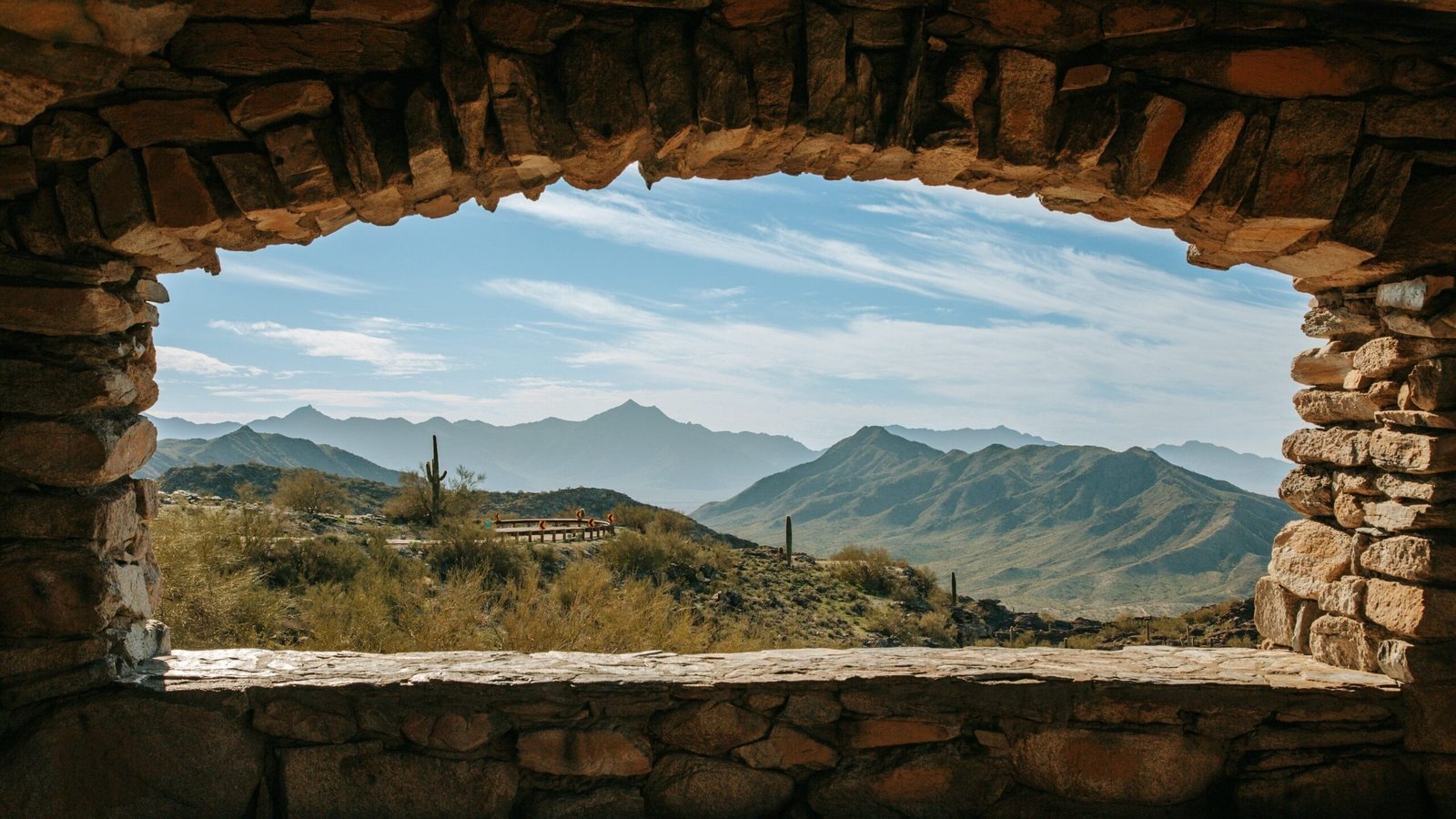
Located in the heart of the Sonoran Desert, Phoenix offers a distinctive combination of natural beauty and urban development. The city is surrounded by mountains, desert parks, and scenic hiking trails while also featuring shopping centers, professional sports venues, museums, restaurants, and entertainment districts.
Whether someone is considering moving to Phoenix, planning a vacation, researching its economy, or simply learning about Arizona, the city has plenty to explore. Understanding its history, climate, lifestyle, attractions, and opportunities provides a clearer picture of why Phoenix has become such an important American destination.
The History of Phoenix, Arizona
The history of phoenix. arizona stretches back thousands of years. Long before modern neighborhoods and skyscrapers appeared, Indigenous communities lived in the region and developed sophisticated agricultural systems.
The Hohokam people were particularly important to the area’s early development. They constructed an extensive network of irrigation canals that allowed them to grow crops in the dry desert environment. Some of these historic canal routes influenced the modern irrigation infrastructure found around Phoenix.
During the nineteenth century, settlers recognized the agricultural potential of the Salt River Valley. Jack Swilling and other early settlers helped establish a farming community that eventually became Phoenix. The city’s name reflected the idea of a new settlement rising from the remains of earlier civilizations.
Phoenix was officially incorporated in 1881 and became the capital of Arizona Territory in 1889. After Arizona achieved statehood in 1912, Phoenix continued developing as an administrative and commercial center.
The arrival of railroads, improved transportation, air conditioning, and modern infrastructure encouraged population growth throughout the twentieth century. Over time, Phoenix transformed from a relatively small agricultural settlement into a major metropolitan area.
Geography and Location
Phoenix is located in south-central Arizona within the Salt River Valley. Its geographical position makes it an important connection point between several major cities in the southwestern United States.
The city is surrounded by desert mountains, rocky landscapes, and distinctive geological formations. The Sonoran Desert provides a unique natural environment that supports a wide variety of plants and wildlife.
One of the most recognizable features of the region is the abundance of saguaro cacti. These tall desert plants are strongly associated with Arizona and can be found throughout the surrounding natural areas.
Phoenix also has several prominent mountain preserves, including Camelback Mountain and South Mountain Park and Preserve. These locations provide opportunities for hiking, photography, outdoor recreation, and sightseeing.
The Salt River Valley has supported the city’s development for generations. Although the surrounding environment is naturally dry, reservoirs, canals, water management systems, and infrastructure help support residential communities and businesses.
Climate and Weather
Phoenix is famous for its hot desert climate. Summers are extremely hot, while winters are generally mild and comfortable. This weather pattern is one of the major reasons the city attracts seasonal visitors and people seeking warmer temperatures.
Summer temperatures frequently exceed 100 degrees Fahrenheit. During particularly hot periods, temperatures can rise significantly higher. Residents often schedule outdoor activities during early mornings or evenings to avoid the strongest afternoon heat.
Winters are considerably cooler and more pleasant. Daytime temperatures are often comfortable enough for hiking, golfing, outdoor dining, and sightseeing.
Rainfall is limited throughout much of the year, although the region experiences seasonal monsoon activity. Summer thunderstorms can bring heavy rain, strong winds, lightning, and occasional dust storms.
Anyone visiting Phoenix should prepare for the weather. Drinking enough water, wearing sunscreen, choosing appropriate clothing, and avoiding strenuous outdoor activities during extreme heat are important precautions.
The climate also influences the city’s architecture and lifestyle. Swimming pools, shaded patios, air conditioning, desert landscaping, and energy-efficient building designs are common features of residential and commercial properties.
Top Attractions in Phoenix, Arizona
Phoenix offers numerous attractions for visitors with different interests. From outdoor adventures to cultural institutions, the city provides plenty of opportunities to experience the character of Arizona.
1. Desert Botanical Garden
The Desert Botanical Garden is one of Phoenix’s most distinctive attractions. It features an impressive collection of desert plants, including cacti, succulents, wildflowers, and other species adapted to dry environments.
Visitors can explore walking trails while learning about desert ecosystems and conservation. Seasonal exhibitions and special events also make the garden an interesting destination throughout the year.
2. Camelback Mountain
Camelback Mountain is among the most recognizable natural landmarks in the Phoenix metropolitan area. Its distinctive shape resembles a camel resting in the desert.
The mountain attracts hikers who want challenging trails and impressive views of the surrounding city. The Echo Canyon and Cholla trails are popular options, although both require preparation and attention to safety.
Hiking is best attempted during cooler hours, especially outside the summer season. Visitors should carry enough water and understand the difficulty of their selected route.
3. Heard Museum
The Heard Museum is an important cultural institution dedicated to Native American art and history. Its collections include traditional and contemporary artwork, jewelry, textiles, pottery, and historical exhibits.
The museum helps visitors understand the cultural contributions and experiences of Indigenous communities throughout the American Southwest.
4. Phoenix Zoo
The Phoenix Zoo is a popular family attraction featuring animals from different parts of the world. It provides educational experiences and opportunities to learn about wildlife conservation.
Families can enjoy animal exhibits, interactive activities, and seasonal programs. The zoo is especially enjoyable during cooler months.
5. South Mountain Park and Preserve
South Mountain Park and Preserve is one of the largest municipal parks in the United States. It offers extensive hiking, biking, and horseback riding opportunities.
The park’s elevated viewpoints provide spectacular views of Phoenix and the surrounding desert. It is also a favorite location for sunset photography.
The Economy of Phoenix
Phoenix has developed into an important economic center in the southwestern United States. Its economy includes industries such as healthcare, technology, construction, manufacturing, finance, education, hospitality, and professional services.
One major advantage of Phoenix is its growing business environment. Companies are attracted by the region’s transportation infrastructure, expanding workforce, commercial development, and access to western markets.
Technology and advanced manufacturing have become increasingly important to the regional economy. Semiconductor manufacturing, electronics, aerospace, and related industries contribute to the area’s industrial development.
Healthcare is another significant employment sector. Hospitals, medical research organizations, clinics, and healthcare networks provide thousands of jobs and essential services.
Construction and real estate have also played major roles in Phoenix’s expansion. Population growth has created demand for residential housing, commercial buildings, transportation improvements, and public infrastructure.
Tourism contributes to the economy as well. Hotels, restaurants, entertainment venues, golf courses, and recreational attractions welcome visitors throughout the year.
Although the city’s economy offers many opportunities, residents also face challenges involving housing affordability, transportation, water resources, and the cost of living.
Education and Universities
Education is an important part of the Phoenix metropolitan area’s development. The region includes public schools, private educational institutions, community colleges, and universities.
Arizona State University is one of the most recognized educational institutions in the state. Its Downtown Phoenix campus contributes to the city’s academic and professional environment.
The university offers programs in business, journalism, public service, healthcare, law, and other fields. Its research activities and partnerships also support regional innovation.
The Maricopa County Community College District provides additional educational opportunities through several colleges across the metropolitan area.
These institutions help prepare students for careers in technology, healthcare, business, engineering, education, and skilled trades.
Phoenix also supports adult education, professional development, and vocational training programs. These opportunities are valuable for people seeking new qualifications or career advancement.
Transportation and Infrastructure
Transportation is essential to the growth and daily life of Phoenix. The city has an extensive road network connecting residential neighborhoods, commercial districts, industrial areas, and nearby communities.
Interstate 10, Interstate 17, and Loop 202 are among the major highways serving the metropolitan area. These roads provide connections to other Arizona cities and neighboring states.
Phoenix Sky Harbor International Airport is the region’s primary commercial airport. It offers domestic and international connections and serves millions of passengers.
The Valley Metro system provides public transportation through buses and light rail services. The light rail connects important destinations across parts of the metropolitan area, making it a useful option for some commuters and visitors.
Despite these transportation options, many residents depend on private vehicles. Traffic congestion can become a challenge during busy commuting hours.
Ongoing infrastructure improvements aim to support population growth, improve mobility, and make transportation more efficient.
Lifestyle and Living in Phoenix
Living in Phoenix offers a combination of urban convenience and outdoor recreation. Residents can enjoy modern shopping districts, restaurants, cultural events, sports facilities, and access to natural landscapes.
The city includes a wide range of neighborhoods, each with its own character. Downtown Phoenix offers apartments, offices, restaurants, entertainment, and cultural attractions.
Other residential areas provide suburban environments with parks, schools, shopping centers, and family-oriented amenities.
Outdoor activities are an important part of local life. Hiking, cycling, golfing, swimming, and exploring desert parks are popular ways to spend free time.
The mild winter climate makes outdoor recreation especially attractive during the cooler months.
However, summer heat can influence everyday routines. Residents often plan errands and recreational activities around temperature conditions. Reliable air conditioning is an essential feature of comfortable living.
Housing costs vary depending on neighborhood, property size, location, and market conditions. Anyone considering relocation should compare housing expenses, transportation requirements, utilities, and employment opportunities before making a decision.
Food and Dining Culture
Phoenix has a diverse food scene influenced by Mexican, Southwestern, Indigenous, and international culinary traditions.
Mexican food is especially popular throughout the region. Restaurants serve tacos, enchiladas, burritos, tamales, and other traditional dishes.
Southwestern cuisine often combines regional ingredients with modern cooking techniques. Local restaurants may feature grilled meats, chilies, fresh vegetables, and distinctive sauces.
The city also offers a wide variety of international dining experiences, including Asian, Mediterranean, Italian, and Middle Eastern cuisines.
Farmers’ markets and local food businesses provide additional opportunities to discover regional ingredients and support independent producers.
For visitors, exploring Phoenix’s restaurants can be an enjoyable way to understand the city’s cultural diversity.
Sports and Entertainment
Sports are an important part of Phoenix’s identity. The city and its surrounding metropolitan area host several professional sports teams and major sporting events.
The Arizona Cardinals represent the region in the National Football League. The Phoenix Suns compete in the National Basketball Association, while the Arizona Diamondbacks play Major League Baseball.
The region is also home to the Phoenix Mercury of the Women’s National Basketball Association.
Sports fans can attend professional games, follow local competitions, and enjoy a lively atmosphere throughout the sporting calendar.
Beyond professional sports, Phoenix hosts concerts, festivals, theater performances, art exhibitions, and community celebrations.
The entertainment scene includes downtown venues, shopping and dining districts, music locations, and large event facilities.
Shopping and Local Businesses
Phoenix provides extensive shopping opportunities, from large shopping malls to independent boutiques and specialty stores.
Visitors can explore shopping centers offering clothing, electronics, restaurants, entertainment, and everyday products.
Local businesses also contribute to the city’s character. Independent restaurants, art galleries, craft shops, and neighborhood markets provide alternatives to large commercial retailers.
The region’s business environment supports entrepreneurs and small companies across different industries.
Whether someone is looking for everyday necessities, fashion, home products, or unique souvenirs, Phoenix offers a broad selection of shopping experiences.
Natural Beauty and Outdoor Recreation
One of the greatest advantages of Phoenix is its access to beautiful desert landscapes.
The surrounding Sonoran Desert features distinctive vegetation, mountain ranges, wildlife, and dramatic sunsets. These natural surroundings provide opportunities for exploration and relaxation.
Hiking is among the most popular outdoor activities. Residents and tourists visit local trails to enjoy mountain views, desert scenery, and physical exercise.
Cycling, horseback riding, camping, and photography are also common recreational activities.
Lake Pleasant Regional Park offers opportunities for boating, fishing, and water-based recreation. Other nearby destinations provide scenic drives and access to Arizona’s larger natural landscapes.
Outdoor visitors should respect the environment, remain on designated trails, avoid disturbing wildlife, and prepare for changing weather conditions.
Challenges Facing Phoenix
Despite its many advantages, Phoenix faces several important challenges.
Extreme summer heat is one of the biggest concerns. High temperatures can affect public health, energy consumption, outdoor employment, and transportation infrastructure.
Water management is another major issue. Because Phoenix is located in a desert region, sustainable water use is essential for long-term development.
Population growth also creates pressure on housing, roads, schools, healthcare facilities, and public services.
Urban expansion can affect natural habitats and increase the distance between residential communities and employment centers.
City planners and regional authorities continue working on solutions involving water conservation, public transportation, sustainable construction, heat reduction, and responsible urban development.
Understanding these challenges provides a balanced view of the city’s future.
Best Time to Visit Phoenix, Arizona
The best time to visit phoenix. arizona generally depends on personal preferences and planned activities.
Fall, winter, and early spring are popular travel seasons because temperatures are usually more comfortable. These months are ideal for hiking, sightseeing, golfing, and exploring outdoor attractions.
Spring is particularly attractive because desert landscapes can display colorful wildflowers following favorable rainfall conditions.
Summer can be challenging for visitors who are not accustomed to extreme heat. However, travelers may find indoor attractions, hotels, restaurants, and swimming facilities enjoyable during this period.
Planning ahead is important regardless of the season. Visitors should check weather conditions, attraction schedules, and local events before traveling.
Conclusion
Phoenix. Arizona is a dynamic American city that combines desert beauty, cultural heritage, economic development, and modern urban living. From its historic irrigation systems and Indigenous cultural influences to its growing technology sector and professional sports scene, Phoenix offers a fascinating story of transformation.
The city provides numerous attractions, including Camelback Mountain, the Desert Botanical Garden, the Heard Museum, and South Mountain Park. Its food culture, educational institutions, business opportunities, and outdoor recreation make it an appealing destination for many different people.
At the same time, Phoenix must address challenges involving extreme temperatures, water conservation, housing, and sustainable growth. How the city manages these issues will play an important role in shaping its future.
Whether you are researching a potential move, planning a vacation, exploring Arizona’s economy, or learning about American cities, Phoenix offers plenty of reasons to capture your interest. Its combination of natural landscapes, modern development, and distinctive Southwestern culture makes it one of the most recognizable destinations in the United States.